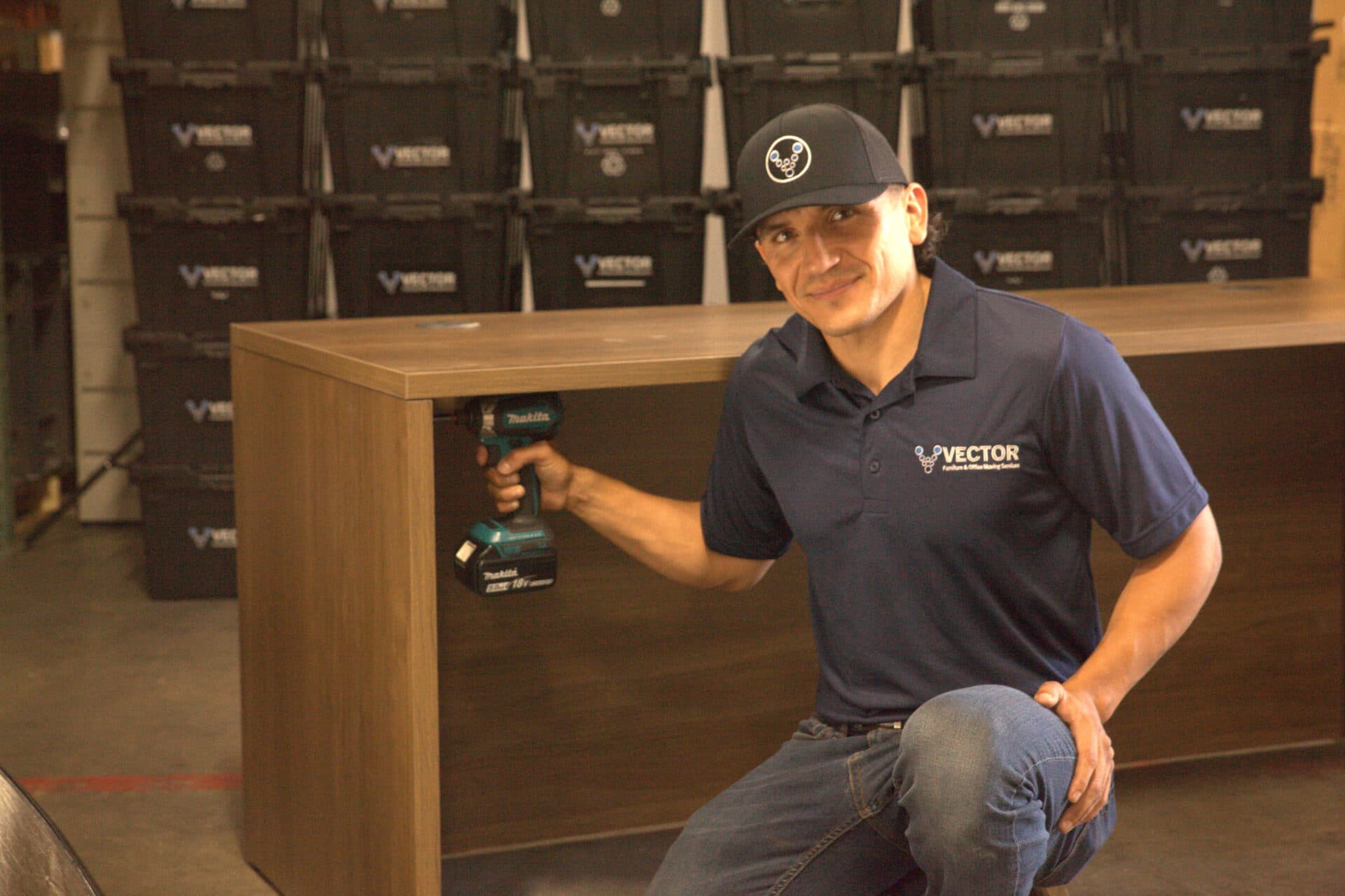
Written by Vector Installation Services — Southern California’s Commercial Moving Experts.
When it comes to office renovation or relocation, office furniture removal is often overlooked—but it's a critical step in creating a productive, sustainable, and compliant workplace. Decommissioning an office space involves navigating a maze of logistics, building landlord regulations, environmental laws, and physical labor. For facility managers, simply throwing old cubicles into a landfill is not a viable option due to high waste fees, environmental policies, and corporate CSR goals. That’s where Vector Installation Services comes in.
We provide comprehensive commercial office furniture decommissioning and removal services. In this guide, we will discuss the critical steps to safely and efficiently execute office furniture removal, focusing on electrical de-energization, systematic metal recycling, and complying with commercial property regulations.
Key Operational Steps in Office Furniture Decommissioning
Successfully clearing out systems furniture and office cubicles requires specialized mechanical and electrical skills. The decommissioning process should follow a strict operational path:
1. Electrical De-Energization of Powered Cubicles
Modern office workstations and cubicles are not just desks—they are complex, integrated electrical networks. They contain internal power harnesses, outlet receptacles, and direct connections to the building's electrical source via power whips (base feeds or ceiling utility poles). Attempting to disassemble powered furniture without proper de-energization is an extreme safety hazard and a direct violation of OSHA electrical safety standards.
Before any furniture panels are taken apart, a qualified technician or licensed electrician must isolate the power supply, test the circuits to ensure they are dead, and disconnect the main power whips from the building's junction boxes. This process, known as deconstruction de-energization, ensures the safety of the removal crew and protects the building's electrical infrastructure from short circuits.
2. Bulk Disassembly and Metal Recycling Systems
Office furniture is constructed from high-grade, recyclable materials, including steel, aluminum, wood, and polymers. Once de-energized, modular workstations must be carefully disassembled. At Vector, we prioritize sustainability by sorting components at the job site. Steel support structures, aluminum trim, and metal file cabinets are separated from wood laminates and fabrics. These metal assets are then routed to commercial metal recycling facilities. This process not only keeps valuable materials out of landfills but can also recover scrap value that offsets the overall project cost.
3. Regulatory Compliance and Landlord Cleanout Mandates
Commercial leases typically require tenants to return the leased premises in "broom-clean" condition, with all alterations, cabling, and furniture removed. Failure to do so can result in security deposit forfeitures and holdover rent charges. Additionally, unanchoring tall shelving units or filing systems must be done carefully to avoid damaging drywall or flooring. Any repairs required to restore the space to its original state must be factored into the project scope. Vector coordinates closely with building management to ensure all landlord requirements are met, providing building-compliant COIs and protecting surfaces with Masonite.
B2B Compliance and Safety Standards
To guarantee regulatory compliance, all physical layouts conform to ADA accessibility clearance guidelines, and heavy systems furniture is anchored according to California ASCE 7 seismic codes. Our teams adhere to strict OSHA electrical safety standards when disconnecting modular powered panels. We provide a comprehensive Certificate of Insurance (COI) to building management prior to the move and lay down Masonite floor protection to prevent damage to elevator lobbies and hallways.
Decommissioning Options: A Comparison of Disposal Paths
Choosing the correct disposal path for your decommissioned furniture involves balancing costs, timeline, and environmental impact. Review the comparison below:
Disposal Method | Cost / Return Profile | Environmental Impact | Best Suited For |
|---|---|---|---|
| Liquidation / Buy-Back | Financial recovery (high value) | Excellent (100% reuse) | Name-brand, modern furniture in excellent condition |
| Charitable Donation | Tax deduction, moderate labor costs | Excellent (repurposed for communities) | Good condition, functional chairs and desks |
| Metal Recycling | Low cost, potential minor scrap offset | Good (keeps raw metals in circular economy) | Damaged cubicles, steel files, metal seating frames |
| Landfill Disposal | High cost (tipping fees, hauling) | Poor (waste accumulation) | Damaged, mixed-material, non-recyclable items |
Tips for Efficient Office Furniture Removal
- Start with a Complete Inventory: Count and catalog every item, noting its manufacturer, material composition, and condition.
- Check for Hazardous Materials: Older task lights may contain mercury ballasts, and certain furniture items may require specialized e-waste handling.
- Schedule Removal During Off-Hours: Minimize disruption to neighboring tenants and avoid traffic by scheduling decommissioning during nights or weekends.
- Verify Contractor Credentials: Confirm that your removal partner carries workers' comp, general liability, and comprehensive auto insurance.
- Secure Dumpster Permits: If municipal roll-off dumpsters are required, ensure all street and right-of-way permits are secured in advance.
Frequently Asked Questions
Can our standard facilities team disassemble modular office cubicles?
We do not recommend it. Modular cubicles are complex to dismantle and require specialized tools, mechanical knowledge, and electrical safety training. Attempting DIY disassembly often results in damage to the building walls, electrical shock, or musculoskeletal injuries to staff who are not trained in commercial material handling.
What happens to the wood and fabric components of office furniture?
While metal is easily recycled, wood laminates and fabrics are more difficult due to adhesives and synthetic fibers. Vector strives to donate usable wood items to local non-profit woodshops or route them to waste-to-energy facilities, limiting landfill waste as much as possible.
Secure a Compliant Transition with Vector Installation Services
The decision to hire commercial movers is not just about convenience; it is a financial decision to protect your company from liability, regulatory non-compliance, and operational downtime. At Vector Installation Services, we provide the expertise, equipment, and insurance required to execute a seamless, compliant commercial relocation.
To learn more about our commercial relocation services and how we can support your business, contact us at (714) 631-7451 or email alex@vectorinstallations.com.