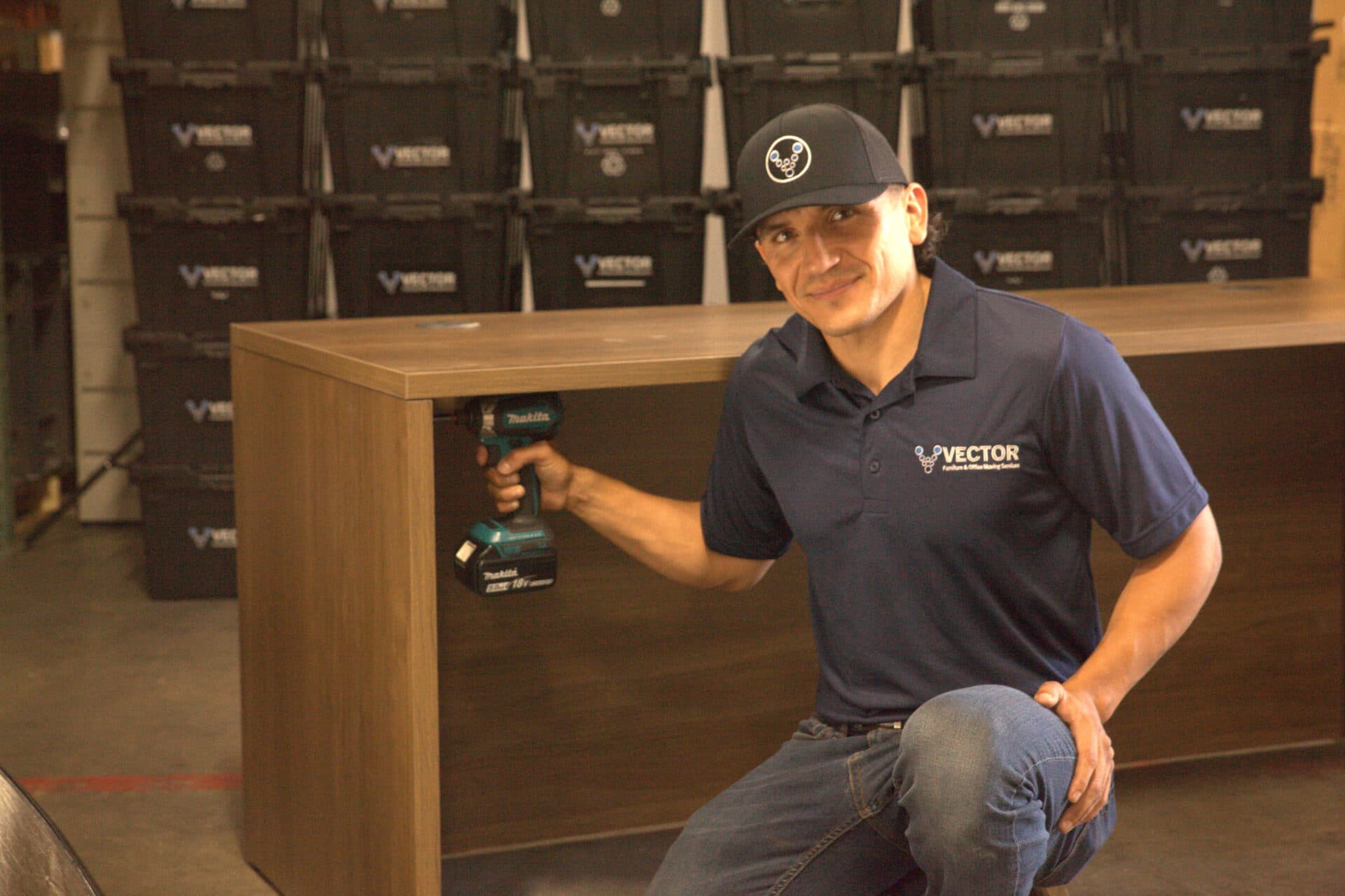
Introduction: The Complexity of Industrial Relocations
Relocating a warehouse is a massive, multi-faceted operation that directly impacts your supply chain. Unlike a simple office move, an industrial transition involves disassembling structural storage, relocating heavy material handling equipment, and migrating complex information technology systems. Any delay or oversight can freeze order fulfillment, disrupt inventory tracking, and lead to expensive operational downtime. At Vector Installation Services, headquartered in Buena Park, CA, we specialize in comprehensive B2B warehouse moves. This guide details how to plan your transition, focusing on concrete slab load capacities, low-voltage scanner setups, day-one testing, and key B2B compliance metrics to ensure your move is a complete success. Successful project managers understand that the physical relocation is only half the battle; managing details like permits, floor protection, and network stability are what guarantee long-term operational viability.
1. Concrete Slab Load Capacity & Structural Anchoring
A primary failure point in warehouse moves is ignoring the concrete slab load capacity at the destination facility. Pallet racking systems are heavy structural assets designed to store thousands of pounds of inventory. The weight of these loaded racks, combined with the heavy forklifts and reach trucks operating around them, exerts immense localized pressure on the concrete floor. This localized weight is transmitted through the racking uprights directly to the concrete surface.
Before designing your racking layout or starting installation, Vector coordinates a structural slab capacity audit. We evaluate the slab's thickness, soil compaction, and concrete compressive strength (measured in PSI). This ensures the floor can support the weight of vertical uprights without cracking, shifting, or settling. In cases where load limits are borderline, we design and install specialized steel load distribution plates to spread the weight over a wider area. Additionally, all racking systems exceeding 59 inches in height must comply with the California ASCE 7 Seismic Codes. We secure every racking upright to the concrete slab using certified anchor bolts and heavy-duty seismic baseplates. In seismic regions, structural calculations must be stamped by a professional engineer, and the anchor bolts must undergo physical torque and pull tests to guarantee structural integrity and satisfy building department inspectors.
2. Low-Voltage Scanner Setups & IT Infrastructure
A modern warehouse relies on a complex digital ecosystem. Your Warehouse Management System (WMS), RF scanners, barcode printers, and workstation terminals must communicate in real-time. Designing and installing a robust low-voltage network at the new site is essential for keeping operations running and avoiding day-one connectivity failures.
Vector works closely with your IT department to deploy low-voltage scanner setups and Wi-Fi access networks. We plan the placement of Wireless Access Points (WAPs) to ensure full signal coverage throughout the facility, preventing wireless dead zones caused by steel racking and metallic inventory. Low-voltage data lines are run from server rooms to huddle areas, packing desks, and shipping bays. We utilize Power-over-Ethernet (PoE) to run power and data over a single line, simplifying installation and reducing cabling clutter. All network disconnections, cabling runs, and server reinstallations follow OSHA Electrical Safety Standards (29 CFR 1910 Subpart S). We utilize strict Lock-Out/Tag-Out (LOTO) procedures during electrical setups to protect personnel and prevent damage to sensitive IT systems.
3. Day-One Testing & System Go-Live
The physical relocation is only half the battle. Your new facility must be thoroughly tested before you resume active operations. Day-one testing is a structured validation process that ensures all physical infrastructure and digital systems are aligned. We recommend scheduling a dedicated "soft launch" period to perform these tests before going live with customer shipments.
Our day-one testing process includes:
- Dry Runs and Picking Tests: Having staff perform mock picks, packs, and shipments to test aisle flow, pick paths, and workstation ergonomics. This helps identify bottlenecks in the layout before volume increases.
- Scanner and WMS Validation: Verifying that barcode scanners can successfully read labels from all rack locations and update inventory records in the WMS in real-time. We test different scanner angles and lighting conditions to ensure reliable scans.
- Printer and Scale Calibration: Calibrating scales and testing thermal shipping printers at every pack station to ensure labels print correctly and weights are accurate. We also test battery backup power systems to ensure they can sustain IT devices during brief outages.
- Emergency Path Verification: Conducting safety drills and verifying that emergency exit signage and egress corridors remain clear and visible, ensuring compliance with local fire marshal guidelines.
4. B2B Compliance and Risk Mitigation
To operate safely and satisfy landlords, every warehouse move must incorporate the following B2B standards:
- California ASCE 7 Seismic Codes: Ensuring all vertical storage racks over 59 inches are engineered and anchored to meet seismic safety requirements.
- ADA Accessibility Clearance: Space layouts must maintain Americans with Disabilities Act (ADA) requirements. This includes keeping accessible paths at least 36 inches wide for pedestrian travel around offices, breakrooms, and common facilities.
- OSHA Electrical Safety Standards: Adhering to OSHA safety guidelines (29 CFR 1910 Subpart S) during the installation and cabling of server equipment and low-voltage networks.
- Certificate of Insurance (COI) Requirements: Commercial landlords require verified insurance coverage before allowing moving crews to start work. Vector provides comprehensive COIs with standard B2B limits including $2M general liability, $1M auto liability, and worker's compensation, naming the property owner as additionally insured.
- Masonite Floor Protection: To protect concrete floor coatings, joints, and carpeted transitions from heavy steel beams and rolling dollies, we lay down heavy-duty Masonite sheets along all main transportation paths.
5. Service Comparison: Standard Commercial Mover vs. Vector Turnkey Relocation
To help illustrate the value of specialized turnkey warehouse moving solutions, the following table compares key service areas between Vector's comprehensive program and standard commercial moving services:
Relocation Parameter | Standard Commercial Mover | Specialized Turnkey Relocation (Vector) |
|---|---|---|
| Slab Verification | Assume floor capacity is sufficient without analysis. | Full concrete slab load capacity audit and ASCE 7 seismic anchorage engineering. |
| Low-Voltage Network | No IT setup; cabling must be handled by separate contractors. | OSHA-compliant low-voltage scanner setups, WAP positioning, and printer network testing. |
| Transition Testing | Deliver assets to the floor and exit. | Comprehensive day-one testing, dry runs, and WMS sync verification. |
| Floor Protection | Cardboard or thin plastic wrapping on major walkways. | Laying down durable Masonite sheets along all rolling cart and forklift pathways. |
| COI & Compliance | Basic policy; might lack naming landlord as additionally insured. | $2M/$1M standard commercial limits, full compliance with ADA accessibility clearances. |
Conclusion: Partner with a Turnkey Industrial Mover
A warehouse relocation is a complex project that requires detailed layout planning, structural engineering, and systems validation. By partnering with Vector Installation Services, you ensure that your concrete slab load capacity is verified, your low-voltage networks are operational, and your team is supported through day-one testing. Contact us today to discuss your warehouse relocation timeline and request a professional site walk. Our team of specialists is ready to guide you through every stage of your transition.
Ready to plan a successful and compliant warehouse relocation? Contact Vector Installation Services today for a free B2B consultation. Call our logistics office at (714) 631-7451 or email alex@vectorinstallations.com. Learn more about our comprehensive commercial relocation services at https://vectorinstallations.com.